 Save
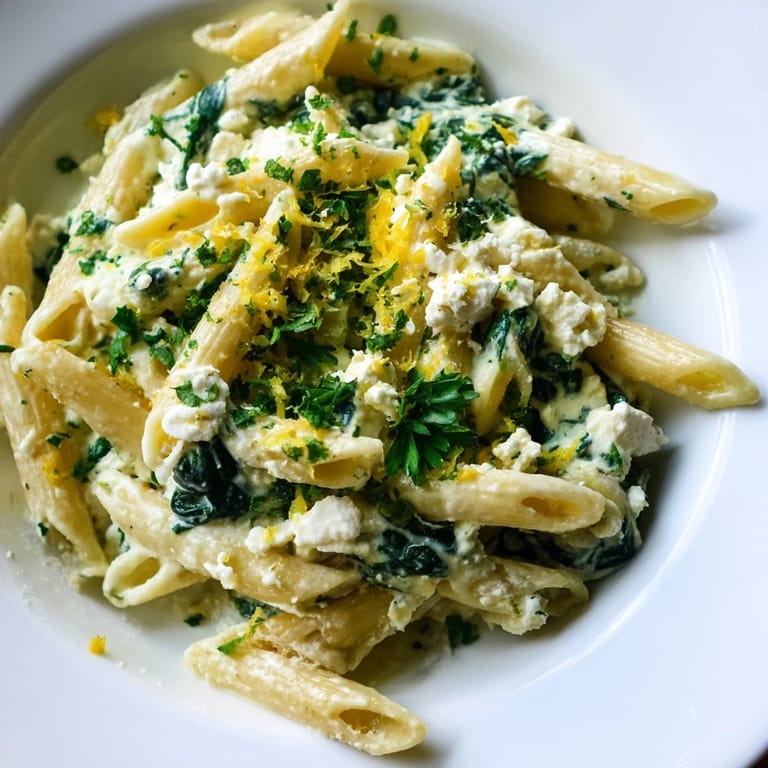
Save My neighbor once knocked on my door holding a block of feta and a bag of spinach, asking if I could make something quick before her in-laws arrived. We threw together this pasta in under half an hour, and she texted me later that night saying they asked for the recipe three times. The magic is in how the salty feta melts into the starchy pasta water, creating a sauce that clings to every bite without any cream or butter. It's become my go-to whenever I need something that tastes impressive but doesn't require much effort. Now I always keep feta in the fridge for nights like that.
I made this for a friend who swore she hated feta, claiming it was too tangy and crumbly. She took one bite and went silent, then asked what cheese I used because it tasted nothing like what she remembered. When the feta melts into that starchy water, it loses its sharpness and becomes this silky, mellow coating that even skeptics can't resist. She now buys feta every week and sends me photos of her attempts.
Ingredients
- Pasta (400 g): I prefer short shapes like penne or fusilli because they catch the sauce in their ridges, but spaghetti works beautifully if that's what you have.
- Feta cheese (200 g): The star ingredient that melts into a tangy, creamy sauce when tossed with hot pasta water, so don't skimp on quality here.
- Baby spinach (150 g): Wilts down to almost nothing in minutes, adding color and a slight earthiness without overwhelming the dish.
- Garlic (2 cloves): Just enough to perfume the oil without overpowering the delicate feta, mince it finely so it distributes evenly.
- Olive oil (3 tbsp): Creates the base for sauteing and helps the feta emulsify into a smooth sauce.
- Black pepper (1 tsp): Freshly ground makes a noticeable difference, adding a warm bite that balances the salty feta.
- Chili flakes (1/2 tsp, optional): A pinch of heat cuts through the richness, but leave it out if you're cooking for kids.
- Salt: Taste before adding since feta is already quite salty, you might not need any at all.
- Lemon zest (optional): A quick grate over the finished dish brightens everything and makes it feel more sophisticated.
- Fresh herbs (optional): Basil or parsley adds a pop of color and freshness right before serving.
Tired of Takeout? 🥡
Get 10 meals you can make faster than delivery arrives. Seriously.
One email. No spam. Unsubscribe anytime.
Instructions
- Boil the pasta:
- Fill a large pot with salted water and bring it to a rolling boil, then cook your pasta until it still has a slight bite in the center. Before draining, scoop out a full cup of that cloudy, starchy water, it's liquid gold for creating the sauce.
- Sauté the garlic:
- While the pasta bubbles away, heat olive oil in a large skillet over medium heat and add the minced garlic. Let it sizzle for about a minute until your kitchen smells amazing, but watch it closely so it doesn't brown.
- Wilt the spinach:
- Toss the spinach into the skillet with the garlic and stir it around until it collapses into a soft, glossy pile. This takes maybe two minutes, and suddenly that huge mound of greens becomes just a few spoonfuls.
- Combine and create the sauce:
- Add the hot drained pasta directly to the skillet along with the crumbled feta and about half a cup of the reserved pasta water. Toss everything together vigorously, letting the heat and starch melt the feta into a creamy coating that clings to every piece of pasta.
- Adjust and season:
- If the sauce looks too thick or clumpy, splash in more pasta water a little at a time until it's silky and glossy. Season with black pepper, chili flakes if you like, and taste before adding salt since the feta is already salty.
- Garnish and serve:
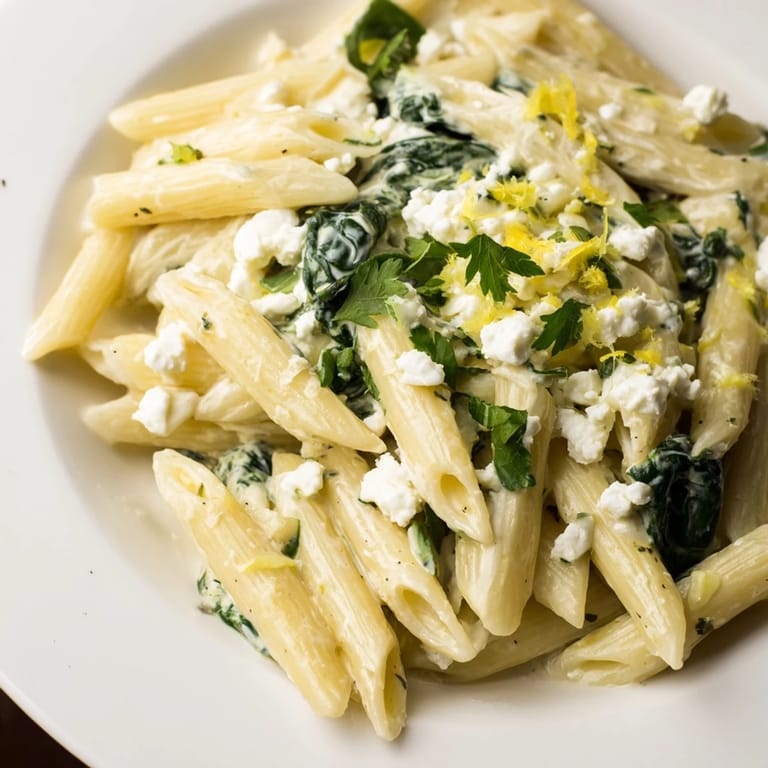
- Plate it up immediately while it's hot and the sauce is still creamy, then finish with a grate of lemon zest and a sprinkle of fresh herbs if you have them. Serve right away because the magic fades as it sits.
 Save
Save One summer evening, I made this on the balcony using a portable burner, and we ate it straight from the skillet while the sun set. My partner said it tasted better outside, and I think he was right. Sometimes the simplest meals in the right moment become the ones you remember most, long after fancier dinners fade away.
Making It Your Own
I've swapped the spinach for arugula when I wanted something peppery, and I've stirred in sun-dried tomatoes when the jar was open in the fridge. A friend added roasted red peppers and said it felt like a completely different dish. This recipe is forgiving and adaptable, so treat it like a template and toss in whatever makes sense for your pantry or your mood.
What to Serve Alongside
A simple arugula salad with lemon and olive oil is all you need to cut through the richness of the pasta. I've also served it with crusty bread for soaking up any sauce left on the plate, and a crisp white wine like Sauvignon Blanc makes it feel like a proper dinner party. Keep the sides light so the creamy feta stays the star of the meal.
Storage and Reheating
Leftovers keep in the fridge for up to three days, though the sauce will thicken and look a bit separated when cold. Reheat gently in a skillet with a few tablespoons of water or broth, stirring until it comes back together into something creamy again. I've eaten it cold straight from the container more than once, and it's still good, just different.
- Add a splash of olive oil when reheating to help the sauce loosen up.
- Don't microwave it on high or the feta can get rubbery.
- Freshen it up with a handful of new spinach or herbs before serving again.
 Save
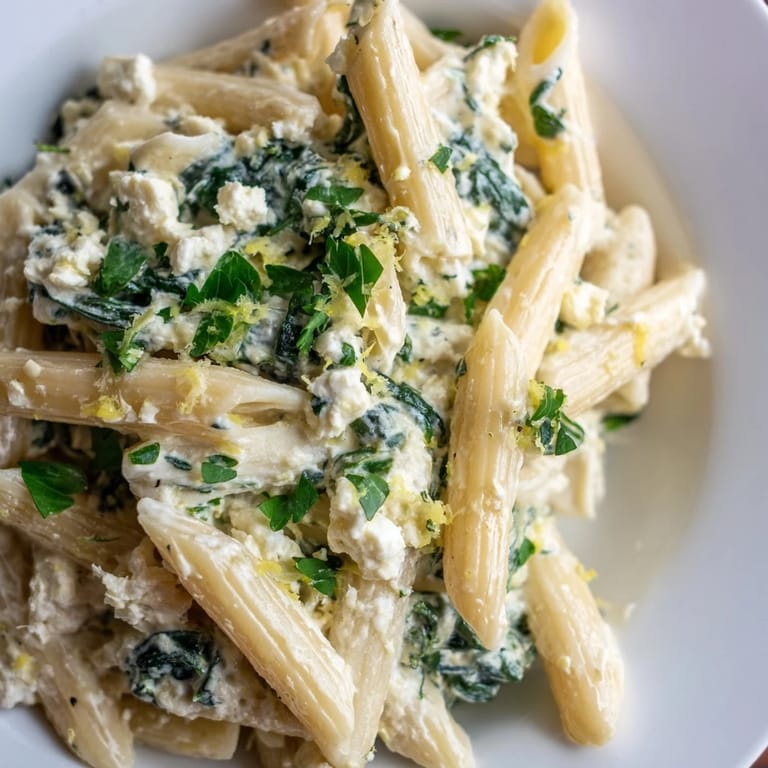
Save This dish proves that you don't need a long ingredient list or fancy techniques to make something people remember. Just good feta, hot pasta water, and a willingness to toss everything together until it works.
Recipe Guide
- → Can I use fresh pasta instead of dried?
Yes, fresh pasta works wonderfully. Reduce cooking time to 3-4 minutes, as fresh pasta cooks much faster than dried. Still reserve pasta water for the sauce.
- → What type of feta works best?
Crumbly feta cheese is ideal as it distributes evenly throughout the pasta. Avoid overly crumbly varieties that may become too grainy. Greek or Bulgarian feta provides authentic Mediterranean flavor.
- → How do I achieve the creamy sauce without cream?
The starch in pasta water is key—it emulsifies with the olive oil and melting feta to create a silky sauce. Toss vigorously over heat and add pasta water gradually until you reach desired consistency.
- → What vegetables can I substitute for spinach?
Arugula, kale, or Swiss chard work beautifully. Arugula adds peppery notes, while kale requires slightly longer wilting (3-4 minutes). Sun-dried tomatoes or roasted red peppers complement the feta perfectly.
- → Can this be made vegan?
Substitute feta with dairy-free cheese or nutritional yeast for a tangy flavor. Use olive oil-based vegan butter or additional good-quality olive oil to enhance creaminess.
- → What wine pairs with this dish?
Sauvignon Blanc is ideal with its crisp acidity complementing the tangy feta. Alternatively, try Pinot Grigio or Greek Assyrtiko for authentic Mediterranean pairing.